


GCL SI and Getz Energy Sign 1 GW Solar MOU to Support Thailand’s Energy Transition

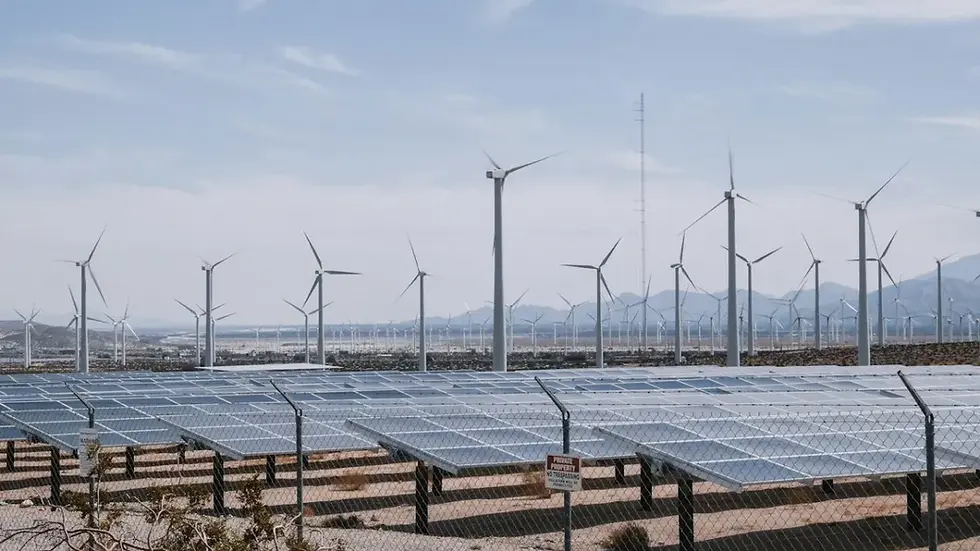
GCL System Integration (GCL SI) and Getz Energy have signed a memorandum of understanding (MOU) to cooperate on the development of up to 1 GW of solar energy projects in Thailand, supporting the country’s ongoing clean energy transition efforts.
The agreement focuses on expanding solar deployment and strengthening collaboration across project development, technology integration, and renewable energy infrastructure. The partnership reflects increasing international interest in Thailand’s renewable energy market, which continues to attract investment amid rising electricity demand and policy support for decarbonization.
According to representatives from GCL System Integration, the collaboration is intended to leverage advanced photovoltaic technologies and large-scale deployment expertise to support Thailand’s growing renewable energy ambitions. The company emphasized Southeast Asia’s strategic importance as solar adoption accelerates across the region.
Meanwhile, Getz Energy stated that the partnership aims to contribute to Thailand’s transition toward cleaner and more sustainable electricity generation while helping strengthen long-term energy security. The company noted that demand for renewable energy solutions continues to grow among both utilities and commercial consumers in the market.
Thailand has been actively expanding its renewable energy roadmap through initiatives supporting utility-scale solar, rooftop PV, and battery storage development. The country’s Power Development Plan (PDP) and corporate decarbonization trends are expected to drive additional investment into clean energy infrastructure over the coming years.
The planned 1 GW collaboration also reflects broader regional trends, where international manufacturers and developers are increasingly forming strategic partnerships to accelerate renewable deployment in Southeast Asia.
As solar demand continues rising across ASEAN markets, cross-border cooperation and long-term project pipelines are expected to play an increasingly important role in scaling renewable capacity.





Comments