


Germany Plans to Expand Gas Power While Scaling Back Support for Small Solar

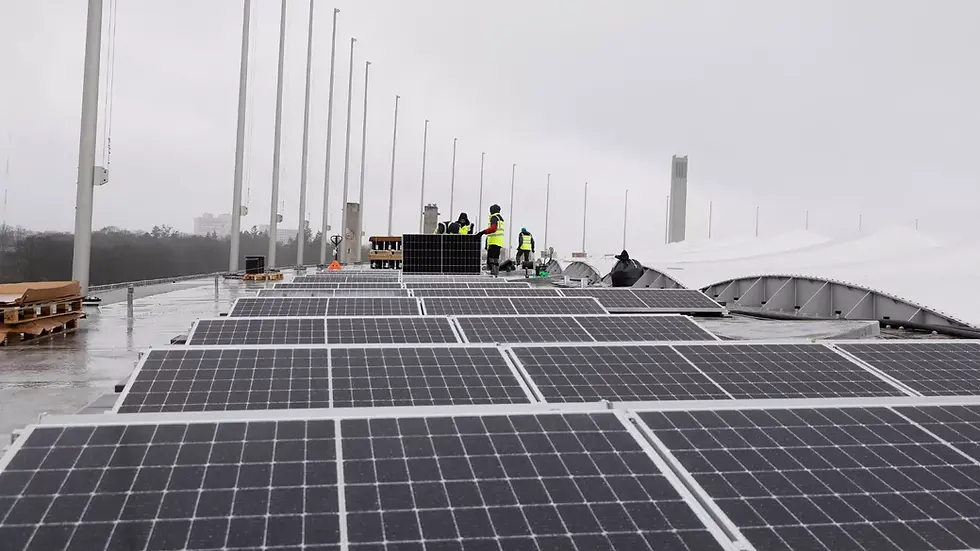
Germany is considering plans to increase gas-fired power capacity while reducing support for smaller-scale solar installations, signaling a potential shift in how the country balances energy security and renewable deployment in the Germany.
The proposed measures aim to ensure grid stability and reliable power supply as the country continues its transition away from nuclear and coal generation. Gas-fired plants are viewed as a flexible backup solution that can respond quickly to fluctuations in renewable energy output, particularly from wind and solar.
At the same time, policymakers are exploring adjustments to incentives for small-scale solar systems, including rooftop installations. These changes are intended to better align subsidy structures with evolving market conditions, where the cost of solar technology has declined significantly over the past decade.
Germany has been one of Europe’s leading markets for distributed solar, supported by long-standing feed-in tariffs and policy incentives. However, as the energy system evolves, there is increasing focus on optimizing overall system efficiency, including grid integration, cost control, and balancing mechanisms.
The potential reduction in support for small solar installations has raised questions about its impact on the pace of distributed generation growth. While utility-scale projects continue to expand, rooftop solar has played a key role in decentralizing energy production and engaging households and small businesses in the energy transition.
The dual approach—expanding gas capacity while adjusting renewable incentives—reflects the complexity of managing a large-scale energy transition. Policymakers are seeking to balance decarbonization targets with short-term reliability needs, particularly in the context of fluctuating energy supply and demand dynamics.
As discussions continue, the outcome of these policy considerations could influence investment decisions and deployment trends across both conventional and renewable energy sectors in Germany.




Comments