


Malaysia to Launch 2 GW Solar Tender with Mandatory Energy Storage Requirement

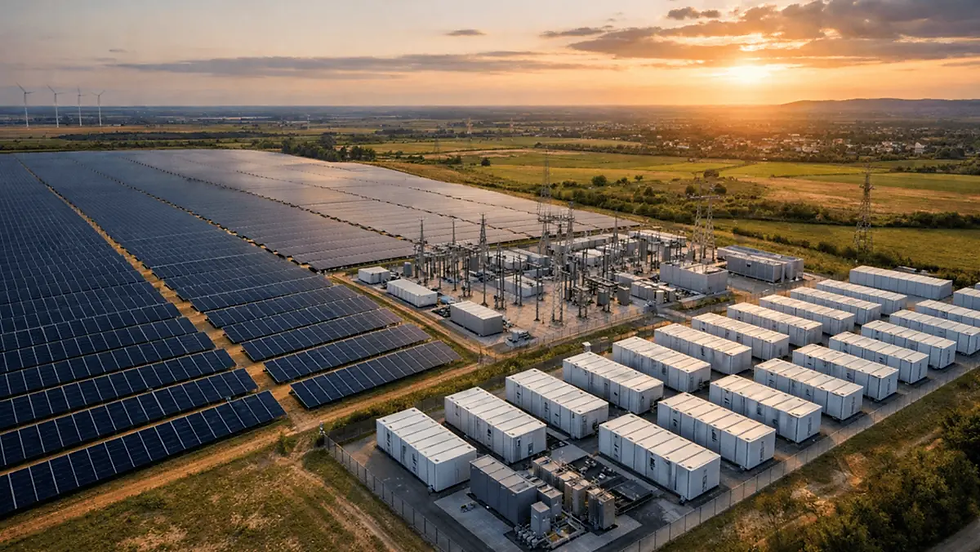
Malaysia is preparing to launch a new 2 GW solar tender that will require participating projects to incorporate battery energy storage systems (BESS), marking a significant step in the country’s efforts to modernize its power system and support higher levels of renewable energy integration.
The planned tender forms part of Malaysia’s broader energy transition strategy, which seeks to accelerate renewable energy deployment while ensuring grid reliability and energy security. By making storage a mandatory component of the procurement process, policymakers aim to address the intermittency challenges associated with large-scale solar generation and strengthen the flexibility of the national power system.
According to reports, the tender will be one of the largest renewable energy procurement programs launched in the country and reflects the government’s growing recognition of energy storage as a critical enabler of future renewable energy growth.
Malaysia has set ambitious renewable energy targets under its National Energy Transition Roadmap (NETR), with solar expected to remain the primary driver of capacity additions. However, as solar penetration increases, the need for flexible resources capable of balancing supply and demand has become increasingly important.
The introduction of mandatory battery storage requirements aligns Malaysia with a growing number of international markets where solar-plus-storage projects are becoming the preferred development model. Hybrid projects can improve grid stability, reduce renewable energy curtailment, and enable electricity generated during daylight hours to be supplied during periods of peak demand.
Industry experts note that the tender could stimulate significant investment across both the solar and battery storage value chains. Developers, EPC contractors, battery suppliers, and financial institutions are expected to closely monitor the procurement process given its potential to shape future market development.
The initiative also signals an evolution in renewable energy policy across Southeast Asia. While many earlier solar tenders focused primarily on capacity deployment, newer programs increasingly emphasize dispatchability, system reliability, and grid integration.
As Malaysia accelerates its clean energy ambitions, the upcoming 2 GW tender is expected to become a key milestone in the country’s transition toward a more flexible and resilient electricity system.





Comments