


TotalEnergies ENEOS Commissions 28 MWp Rooftop Solar Project for Samsung Electronics Vietnam Under DPPA Framework

TotalEnergies ENEOS Renewables Distributed Generation Asia has successfully commissioned a nearly 28 MWp rooftop solar photovoltaic (PV) system at the Samsung Electronics HCMC CE Complex (SEHC) in Ho Chi Minh City, Vietnam, marking a major milestone for industrial renewable energy adoption in the country.
The project represents the first and largest rooftop solar Power Purchase Agreement (PPA) project implemented under Vietnam’s Direct Power Purchase Agreement (DPPA) framework through a private-wire arrangement, highlighting the growing role of onsite renewable energy solutions in supporting industrial decarbonization.
The commissioning ceremony was attended by representatives from local authorities, project partners and stakeholders, reflecting the importance of renewable energy integration in Vietnam’s manufacturing sector as companies increasingly seek solutions to reduce emissions, improve energy efficiency and strengthen long-term sustainability strategies.
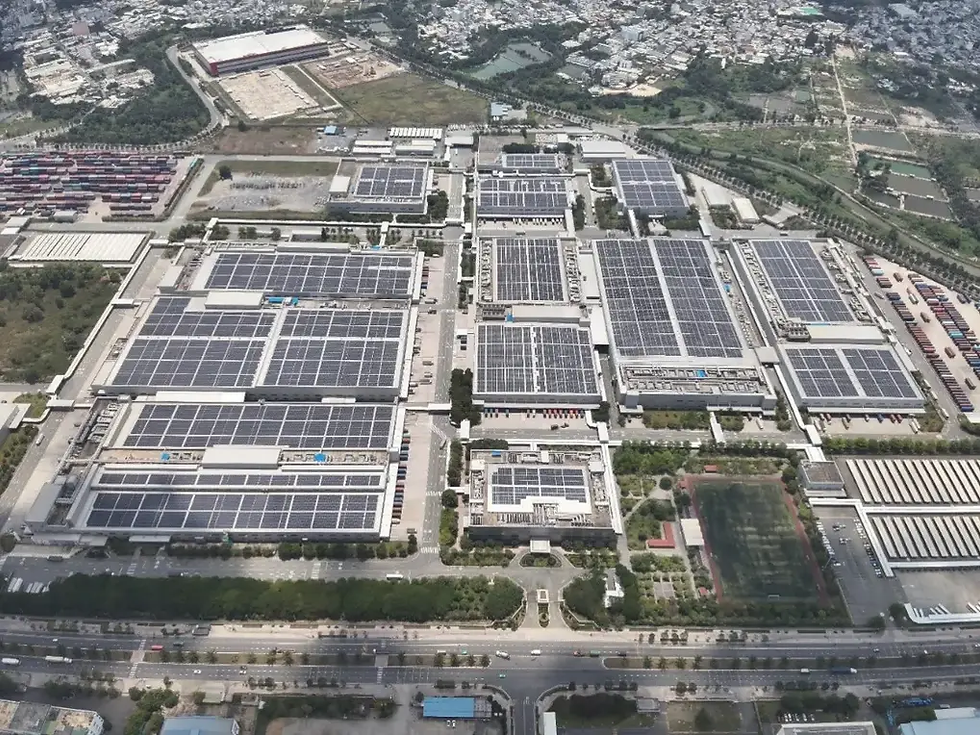
Under the 20-year rooftop solar PPA agreement, TotalEnergies ENEOS financed, installed, operates and maintains the solar system for Samsung Electronics’ HCMC CE Complex, which represents Samsung’s second-largest global manufacturing site. The project consists of nearly 45,000 solar PV modules and is designed to provide a stable supply of renewable electricity directly to the manufacturing facility.
Once operational, the rooftop solar installation is expected to generate more than 40,000 MWh of renewable electricity annually, covering approximately 26% of the facility’s electricity consumption. Over the 20-year contract period, the project is projected to avoid more than 500,000 tonnes of CO₂ emissions, making it a significant contribution to Samsung Electronics’ renewable energy and carbon reduction commitments.
The successful delivery of the project demonstrates how large-scale onsite solar solutions can be integrated into complex industrial manufacturing environments, enabling companies to access clean electricity while maintaining operational reliability.
For Samsung Electronics, the project supports its RE100 commitments, enhances the energy autonomy of the manufacturing complex and contributes to improved operational efficiency. In addition to generating renewable electricity, the rooftop solar installation also helps reduce heat gain from covered roof areas, providing additional benefits for facility management and energy performance.
Keunha Hwang, President of Samsung Electronics HCMC CE Complex, stated that the project represents an important milestone in SEHC’s transition toward renewable energy and demonstrates the company’s commitment to building a more sustainable manufacturing future.
Alexandru Buzatu, Director of TotalEnergies ENEOS Renewables Distributed Generation Asia Pacific, emphasized that the successful commissioning reflects strong cooperation between both companies and demonstrates the ability of onsite solar solutions to support industrial decarbonization while maintaining high safety and quality standards.
The project further strengthens TotalEnergies ENEOS’ position in Asia’s distributed solar market. The joint venture between TotalEnergies and ENEOS focuses on developing onsite B2B solar distributed generation solutions across Asia, with headquarters in Singapore and a target of developing 2 GW of decentralized solar capacity over the next five years.
The commissioning of the SEHC rooftop solar project highlights the increasing adoption of corporate renewable energy solutions in Vietnam, where manufacturers and multinational companies are seeking direct renewable power procurement models to support sustainability targets and reduce carbon emissions.
As Vietnam continues to expand its renewable energy market and develop its DPPA framework, industrial rooftop solar projects are expected to become an increasingly important pathway for companies seeking reliable, cost-effective and low-carbon electricity solutions.





Comments