


Germany Sees Decline in Solar Installations as Battery Storage Deployment Reaches Record Levels

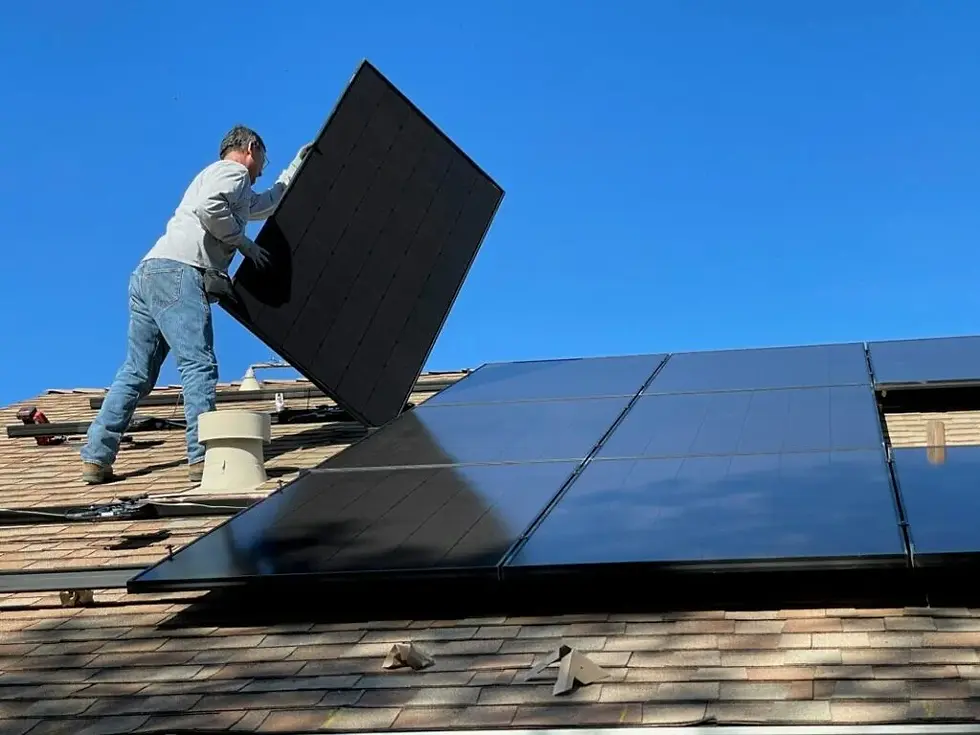
New solar installations in Germany have slowed compared to previous growth trends, while battery energy storage deployment has reached record levels, reflecting changing dynamics within the country’s renewable energy market.
Recent data indicates that solar expansion, particularly in some smaller-scale segments, has moderated amid evolving policy conditions, grid integration challenges, and market adjustments. At the same time, battery storage adoption has accelerated significantly as households, businesses, and energy providers increasingly prioritize flexibility and energy management capabilities.
Germany remains one of Europe’s largest solar markets, with photovoltaic systems continuing to play a central role in the country’s long-term decarbonization strategy. However, as renewable penetration rises, attention is shifting beyond generation capacity alone toward balancing, storage, and grid stability solutions.
Battery storage systems are becoming increasingly important in supporting renewable integration by helping manage intermittency, improve self-consumption rates, and reduce pressure on electricity networks during peak generation periods. Residential storage demand, in particular, has expanded alongside rooftop solar adoption over recent years.
The divergence between slowing solar additions and rapid storage growth highlights how energy transition priorities are evolving in more mature renewable markets. While solar deployment remains essential, market participants are placing greater emphasis on system optimization and flexibility infrastructure.
Germany’s energy transition continues to face the dual challenge of expanding renewable generation while modernizing grid and storage capabilities to support higher shares of variable energy sources. Policymakers and industry stakeholders are expected to continue refining incentive structures and regulatory frameworks to address these shifting market conditions.
As battery technologies become more competitive and deployment scales further, storage is likely to play an increasingly central role in Europe’s future energy systems.





Comments