


Münch Energie Secures Financing for 100MW Battery Storage Projects in Germany

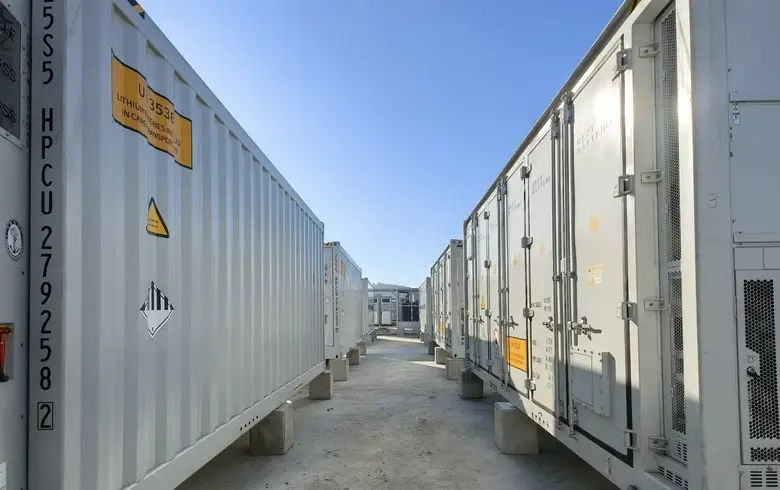
Münch Energie has successfully secured project financing for two large-scale battery energy storage systems (BESS) in Saxony-Anhalt, Germany, marking a significant step forward in the development of flexible and reliable energy infrastructure. These projects reflect the growing importance of storage solutions in supporting the country’s ongoing energy transition.
Each of the two systems has a capacity of 50MW / 100MWh, forming part of a broader portfolio of storage projects in the region. The financial advisory for the deal was provided by Capcora, while the financing structure was arranged by DAL Deutsche Anlagen-Leasing with support from a consortium of banks, demonstrating strong investor confidence in large-scale storage assets.
Both battery systems are fully permitted and benefit from secured grid connections, ensuring they can be safely integrated into Germany’s electricity network. The projects are expected to enter operation by mid-2026, with a dedicated high-voltage substation supporting direct grid integration.
These two projects are part of a larger pipeline totaling approximately 250MW / 500MWh of battery storage in Saxony-Anhalt. Designed to operate across multiple energy markets, including balancing services and intraday trading, the systems will provide grid flexibility, help manage fluctuations from renewable generation, and improve overall system stability.
The financing highlights the growing role of institutional investment in energy storage infrastructure, a sector often challenged by high upfront costs and complex project structures. By combining strong financial backing with proven technical expertise, Münch Energie aims to accelerate the deployment of storage technologies that are critical for integrating higher shares of wind and solar power into the grid.
Overall, these projects underscore the strategic importance of integrated energy storage solutions in Germany’s low-carbon energy future. They demonstrate how carefully structured collaborations between developers, financiers, and grid operators can unlock new capacity, support the energy transition, and strengthen the resilience of modern electricity systems.





Comments