


Singapore Approves 1.3 GW Cross-Border Renewable Energy Initiative Linking Vietnam and Malaysia


Southeast Asia | October 26, 2026
Singapore's Energy Market Authority (EMA) has granted conditional approval to Sembcorp Utilities to advance a proposed cross-border renewable electricity initiative linking Vietnam, Malaysia and Singapore. The project aims to facilitate the import of up to 1.3 GW of low-carbon electricity into Singapore, strengthening regional power connectivity and supporting the development of the ASEAN Power Grid.
The Vietnam-Malaysia-Singapore (VMS) initiative is being developed by Sembcorp Utilities and the MY Energy Consortium, which includes Malaysia's national utility Tenaga Nasional Berhad (TNB), national energy company PETRONAS, and Vietnam's PetroVietnam Technical Services Corporation (PTSC).
Solar, Battery Storage and Offshore Wind Integration
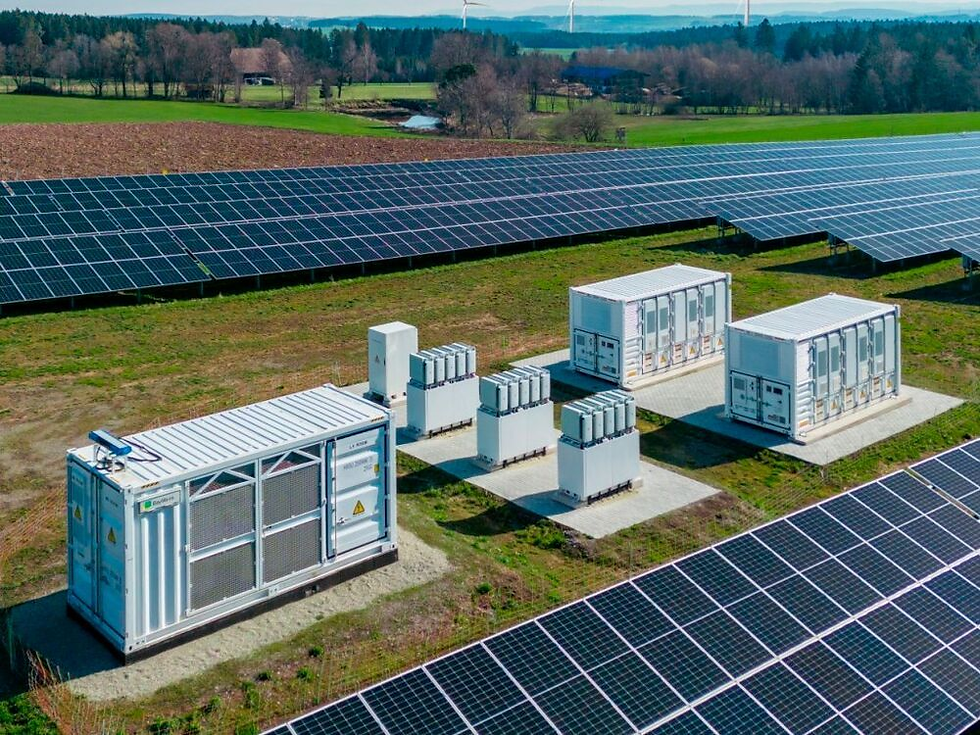
Under the proposed arrangement, Vietnam's offshore wind resources would contribute to renewable electricity generation, while solar power and battery energy storage infrastructure in Malaysia would form part of the regional energy supply system. Electricity would be transmitted through Malaysia before reaching Singapore, with Malaysia also expected to receive part of the renewable power.
The initiative aims to improve the utilization of regional renewable energy resources and strengthen cross-border electricity trading. By integrating solar generation with battery storage and transmission infrastructure, the project could help address the variability of renewable power and improve the flexibility of the regional electricity system.
The project is expected to commence operations in 2035, subject to further regulatory approvals, technical assessments and project development milestones.
Implications for Southeast Asia's Solar and Storage Market
The conditional approval highlights the growing importance of regional power interconnections in Southeast Asia's energy transition. As countries seek to expand renewable generation and reduce dependence on fossil fuels, cross-border infrastructure could create new opportunities for solar developers, battery storage providers, transmission operators and energy investors.
Malaysia's proposed role as both a renewable electricity recipient and transit country also underscores its potential to become a regional energy hub. Solar-plus-storage projects could become increasingly important in supporting the reliability and flexibility required for large-scale renewable electricity exports.
Although the initiative remains in development and is not expected to begin operations until 2035, it represents a significant step toward closer regional energy cooperation and a more interconnected Southeast Asian renewable electricity market.





Comments