


Vietnam Faces Market and Geopolitical Risks, Urges Renewable Energy and Storage Strategy


Vietnam’s energy sector is confronting mounting market and geopolitical risks that underscore the urgency of accelerating renewable energy and storage deployment, according to a recent analysis by Tạp chí Năng lượng Việt Nam. The report highlights how global political tensions and fluctuating energy markets make energy self‑sufficiency and resilience strategic priorities for the nation.
Global energy markets have become increasingly volatile due to geopolitical conflicts, including Russia’s war in Ukraine and tensions in the Middle East that threaten critical supply routes like the Strait of Hormuz. These disruptions have shown how countries heavily dependent on energy imports are particularly vulnerable to price spikes and supply insecurity. In contrast, nations that diversify with domestic renewable energy and integrate storage systems tend to maintain greater stability and flexibility.
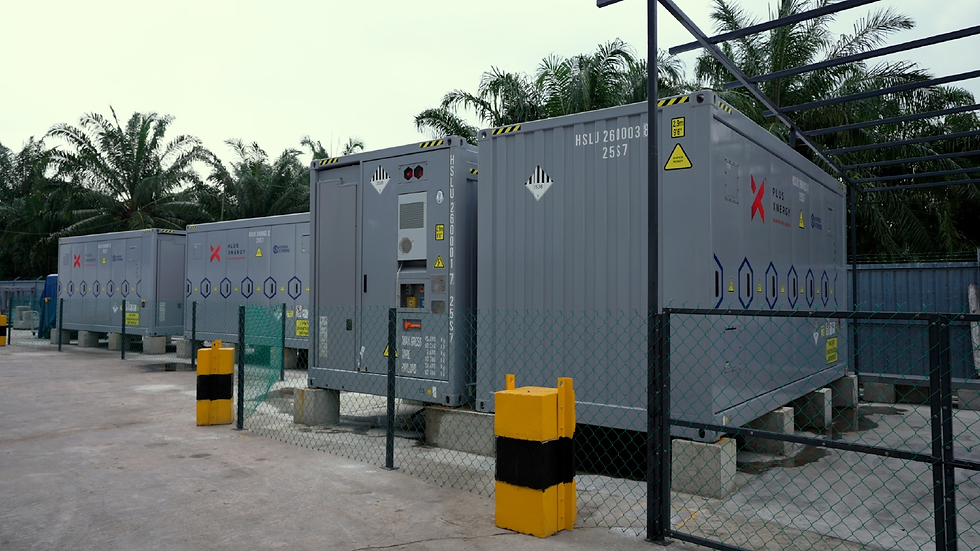
Vietnam is already experiencing rapid growth in renewable energy capacity, with solar and wind becoming major contributors to the national grid. Still, the country’s transition remains challenged by systemic constraints including rising peak demand and the need for grid flexibility. The report emphasizes that combining solar PV with energy storage systems (BESS), such as rooftop solar with battery storage, could help mitigate peak loads and balance supply and demand more effectively.
In recent years, Vietnam’s policymakers have updated national electricity planning to embed storage targets alongside renewable goals. Revised forecasts under the Power Development Plan VIII envisage 10,000–16,300 MW of battery storage capacity by 2030, reflecting recognition that storage is essential for integrating intermittent renewables and reinforcing grid reliability.
Experts argue that developing energy storage not only enhances technical flexibility but also serves as a buffer against external shocks—economic, political, or supply‑based. By enabling distributed generation and shifting from centralized energy models, solar plus storage can transform millions of residential rooftops into decentralized power assets, reducing pressure on the grid and enhancing resilience.
However, the report also notes that realizing these benefits requires policy clarity, grid modernization, and investment incentives that attract both domestic and international capital. Without supportive market mechanisms and stable frameworks, growth in storage deployment may lag behind renewable generation expansion, limiting Vietnam’s ability to withstand global energy volatility.
Overall, the analysis paints a picture of Vietnam at a pivotal moment—where renewables and storage are not just environmental options but strategic tools for economic stability and geopolitical risk mitigation in a changing global energy landscape.





Comments